
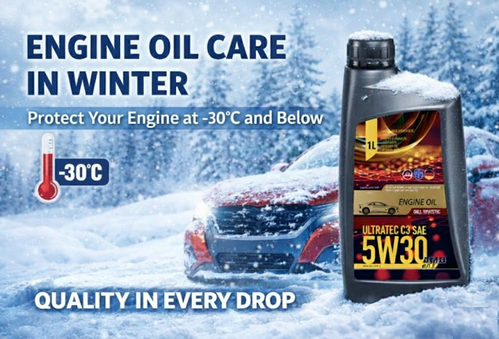
Winter brings unique challenges for vehicles, especially when temperatures drop to -30°C or even lower. During extreme cold, engine oil plays an even more critical role in protecting your engine and ensuring reliable performance. Cold starts, thickened oil, and increased engine stress can all take a toll if the right precautions aren’t taken. In this article, we’ll explore the importance of proper engine oil care in winter and how choosing the right oil ensures quality in every drop, even in freezing conditions.
Why Engine Oil Care Is Crucial in Winter Conditions
When temperatures fall below freezing, engine oil naturally becomes thicker and flows more slowly. At -30°C or lower, this reduced flow can delay lubrication to critical engine components during startup. High-quality winter-grade or synthetic engine oils are designed to remain fluid in cold conditions, ensuring immediate lubrication and minimizing wear during cold starts.
Cold Starts: The Biggest Threat to Your Engine
Most engine wear occurs during startup, and winter cold significantly increases this risk. Thick oil struggles to circulate quickly, causing metal components to momentarily rub against each other without proper protection. Premium engine oils formulated for low temperatures provide faster circulation, reducing friction and protecting your engine from damage when starting in extreme cold.
Maintaining Optimal Viscosity at -30°C and Below
Engine oil viscosity is critical in winter. Oils with lower cold-temperature viscosity ratings (such as 0W or 5W grades) flow more easily in freezing weather. Using the manufacturer-recommended winter-grade oil ensures that your engine receives proper lubrication, even during harsh winter mornings. This helps maintain performance and prevents unnecessary strain on engine components.
Preventing Engine Sludge and Moisture Buildup
Cold weather increases the risk of moisture accumulation inside the engine, especially during short trips where the engine doesn’t fully warm up. This moisture can lead to sludge formation if not properly managed. High-quality engine oils contain advanced detergents and dispersants that help keep contaminants suspended, reducing sludge buildup and keeping your engine clean throughout the winter season.
Protecting Against Corrosion in Freezing Temperatures
Winter conditions often bring condensation and moisture, which can accelerate rust and corrosion inside the engine. Premium engine oils create a protective film on metal surfaces, preventing oxidation and corrosion. Oils designed for winter use include anti-corrosion additives that provide reliable protection, even in cold and damp environments.
Ensuring Smooth Performance and Fuel Efficiency in Winter
A properly lubricated engine runs more smoothly, even in cold weather. When oil flows efficiently at low temperatures, the engine experiences less resistance, leading to improved fuel efficiency and reduced emissions. This is especially important in winter, when engines often consume more fuel due to longer warm-up times.
Supporting Engine Reliability Throughout the Winter Season
Consistent winter engine oil care ensures reliable performance during the coldest months. Regular oil checks, timely oil changes, and the use of high-quality winter-grade oil help protect your engine from cold-related damage. With quality in every drop, premium engine oil keeps your vehicle dependable, no matter how low the temperature drops.
Conclusion: Winter-Proof Your Engine with the Right Oil
Engine oil care becomes even more important when temperatures fall to -30°C or below. Choosing the right winter-grade or synthetic engine oil ensures fast lubrication, reduced wear, and long-lasting engine protection. Regular maintenance and high-quality oil are essential investments in your vehicle’s health. Remember, in winter conditions, quality in every drop makes all the difference for a smooth, reliable, and protected engine.